Introduction
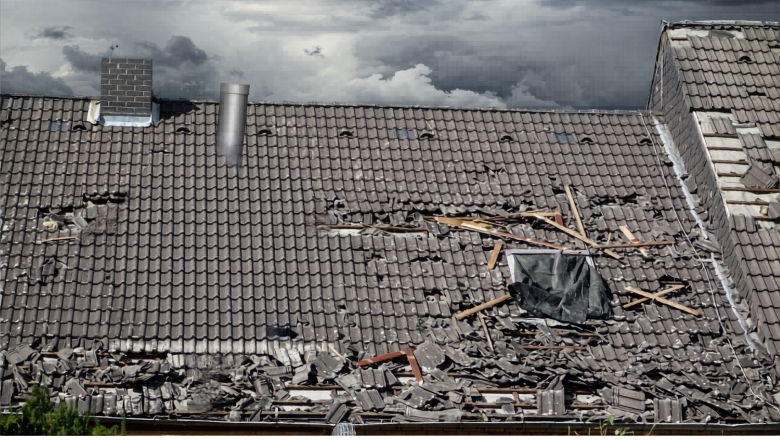
Here’s something nobody tells you about roofs: they’re getting destroyed a little bit every single day. Rain beats down on them, wind rips at the edges, and hail smashes into them like tiny missiles. One shoddy installation, one cheap material choice, or one overlooked weak spot can turn your safe, dry home into a waterlogged mess that costs a fortune to fix. Most people figure out their roof’s in trouble when they spot water stains spreading across their ceiling, and guess what? By that point, the real damage has already happened inside your walls. We’ve helped hundreds of homeowners across Tacoma, Fox Island, University Place, Gig Harbor, and Port Orchard pick out durable roofs and weather-resistant roofs that actually hold up when the weather gets nasty.
We’re going to walk you through picking roofing materials for harsh weather that do their job, the important features you shouldn’t ignore, and some simple maintenance habits that’ll stretch your roof’s life way past what you’d expect.
Understanding Harsh Weather Challenges for Roofs
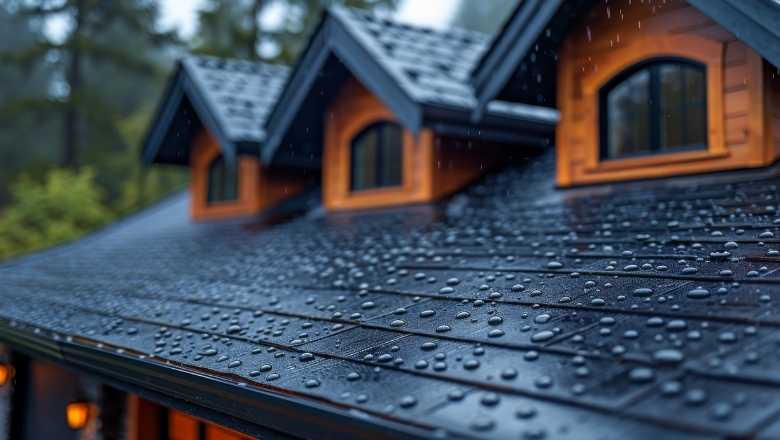
Living in the Pacific Northwest means your roof never gets a break. Rain hits it constantly. Wind doesn’t just blow over it; it actually tries to pull the whole thing off your house. Temperatures go up and down, making materials expand and shrink until cracks show up. Then there’s hail and falling branches that slam into weak spots.
The thing is, it’s not usually one big storm that wrecks a roof. It’s the hundreds of smaller ones over the years that wear it down. Roofing for harsh climates needs to take this beating without falling apart. When it can’t, you end up with leaks that cause rot, mold, and damage that spreads way beyond just the roof.
When a roof gives out at 15 years instead of making it to 30, you’re not just paying for one replacement; you’re dealing with all the water damage, higher energy bills, and those awful midnight emergency calls.
Key Features of Durable, Water-Resistant Roofs
What actually keeps water out isn’t just the shingles everyone sees. It’s everything working together underneath.
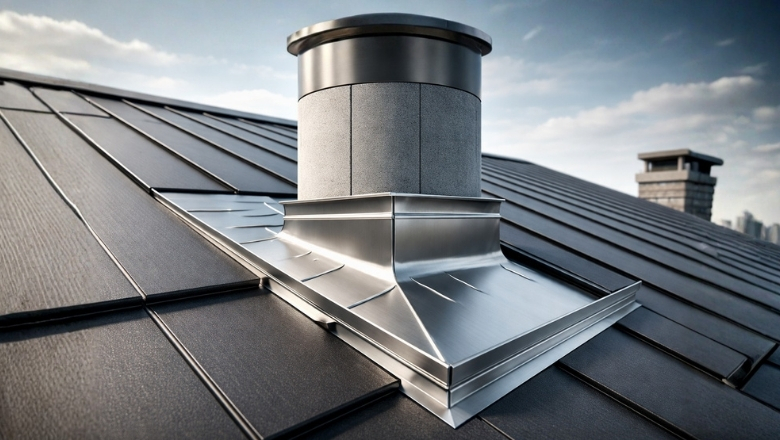
Good roofing underlayment and flashing are more important than people think. The underlayment catches water when shingles eventually fail. Flashing seals up the spots where roofs meet walls, chimneys, and vents; basically, anywhere leaks love to start. Cheap materials here mean you’re asking for trouble down the road.
You also need decent ventilation to control moisture in your attic. Strong fasteners keep everything nailed down during storms. Working roof drainage systems get water moving off your roof instead of sitting there, causing problems.
Things You Really Can’t Skip:
- Every penetration is sealed tight so that water might not get in
- Enough slope for water to run off properly
- Materials rated to handle impacts from hail
- Proper installation by people who know what they’re doing
- Decent quality materials from companies that stand behind them
Best Roofing Materials for Harsh Weather
Not everything handles Pacific Northwest weather the same way. Here’s what we’ve seen actually work.
1. Picking What Works for You
Choosing between long-lasting roofing materials means figuring out what matters most: how long it’ll last, what it costs, how it looks, and how much work it needs. Each type has its strong points for roofing in heavy rain and rough weather. We work with different materials at Custom Design Roofing because, honestly, what works for one house doesn’t always work for another.
2. Asphalt Shingles (Architectural Grade)
Architectural shingles are everywhere for a reason; they perform well without emptying your wallet. The newer ones can take a hit, they last in wet weather, and give you warranties up to 50 years. Also, they come in basically any color you want and match most house styles.
3. Metal Roofing
Metal’s about as good as it gets for lasting forever and handling weather. These corrosion-resistant roofing materials let water slide right off, they stand up to winds past 120 mph, and they’ll be there 50+ years from now without many problems. We put in standing seam, metal shingles, and corrugated panels. Metal also helps with energy-efficient roofing options since it reflects heat.
4. Tile Roofing
Concrete and clay tiles are the heavyweights. They need extra support, but they’re sustainable roofing solutions that can hit 75+ years. They’re naturally water-repellent roof materials that laugh at impacts and fire.
5. TPO and PVC for Low-Slope Applications
Commercial buildings and houses with flatter sections need something different. TPO and PVC make one continuous waterproof layer that’s perfect for storm-resistant roofing where regular materials just don’t cut it.
| Material | Lifespan | Best For | Weather Strength |
| Architectural Shingles | 30-50 years | Most homes are easier on the budget | Handles rain/wind well |
| Metal Roofing | 50+ years | Worth the upfront cost | Beats everything else |
| Tile | 75+ years | Built to last forever | Takes hits like a champ |
| TPO/PVC | 20-30 years | Flat/commercial roofs | Waterproofing winner |
The best material isn’t the most expensive one; it’s whatever fits your house, your weather, and what you’re willing to maintain.
Installation and Maintenance Tips for Water-Resistant Roofs
Expensive materials won’t save you if the installation’s rushed or sloppy. Doing roof installation best practices right means your roof actually does what you paid for.
1. Getting It Done Right
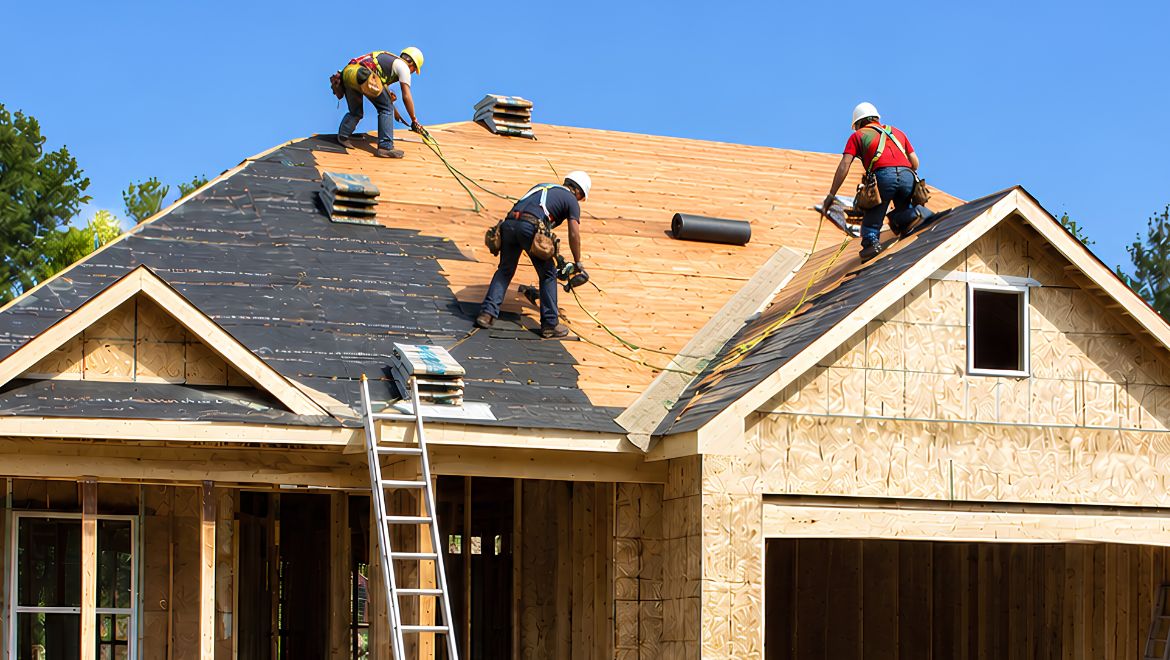
Good installation makes all the difference between a roof that lasts and one that leaks. Our team pays attention to prepping the deck correctly, putting ice and water shield where it matters, getting ventilation balanced, spacing fasteners properly, and being careful with flashing. These aren’t bonus features; they’re what makes roof durability and protection actually happen.
2. Maintenance You Can Actually Do
Regular seasonal roof care spots issues while they’re still small:
Spring: Clean off winter junk, look for damage, check your attic vents, cut back tree branches
Fall: Get those gutters cleared out, fix anything broken, make sure caulking’s good, check drainage
3. Heading Off Leaks
Hire experts who know what they’re doing to check your roof once a year for roofing inspections and repairs. We catch problems like shingles losing their coating, sealant going bad, flashing starting to crack, and ventilation problems you’d never notice. Fix the little issues now instead of dealing with big replacements later.
How Choosing the Right Roof Saves Money and Protects Your Home
A good roof isn’t just an expense; it pays you back through fewer repairs, lower energy bills, insurance breaks, and keeping your home value up.
Impact-resistant roofing materials can knock money off your insurance. Energy-efficient roofing options cut down on what you’re spending to heat and cool your house all year. Those savings keep adding up.
The biggest save is protecting homes from water damage. Water doesn’t just mess up your roof; it wrecks insulation, drywall, floors, wiring, and grows mold that costs a ton to clean up. A solid roof stops all that before it starts.
Good roofs also make your house worth more and easier to sell since buyers get that cost-effective roof upgrades mean they won’t be replacing it anytime soon.
Your Next Steps Toward Superior Weather Protection
Getting durable roofs and water-resistant roofing means understanding what the weather does to your house and fixing it properly. From picking the right roofing materials for harsh weather to making sure roofing underlayment and flashing get installed correctly, everything matters. Whether you’re in Tacoma, Fox Island, University Place, Gig Harbor, or Port Orchard, go with long-lasting roofing materials, get professionals to install it, and keep up with basic maintenance.
We’ve spent years at Custom Design Roofing figuring out what Western Washington weather does to roofs. We know roofing for harsh climates, and we’re serious about doing installations right. We handle water-repellent roof systems, corrosion-resistant roofing materials, and sustainable roofing solutions that match what you need and what you can spend. Our crew works with asphalt shingles, metal roofing, and tile for houses and businesses.
Want roofing that actually stands up to Pacific Northwest weather? Give Custom Design Roofing a call at (253) 858-0909. We’ll help you figure out what works and install it right, building weather-resistant roofs that protect your home through quality work you can count on.