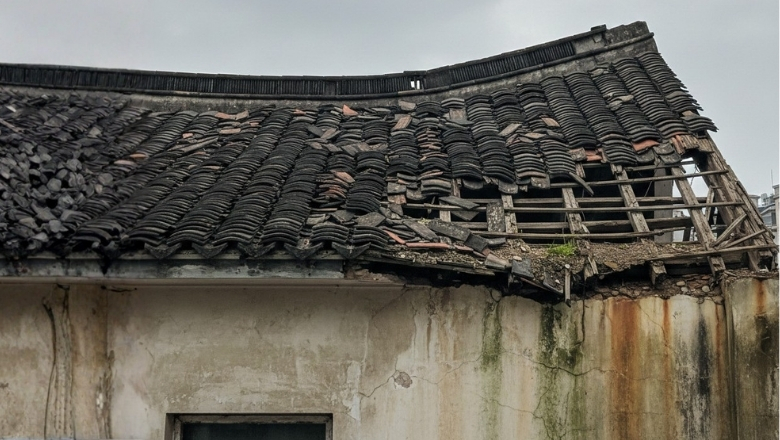
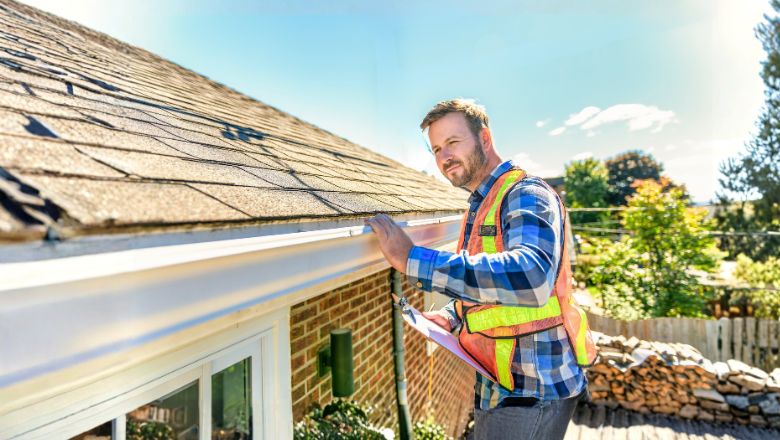
Here’s something nobody tells you about owning commercial property: your roof is slowly dying right now. Not in a big way, not in a clear way; just slowly getting worse while you do other things. Every day, a tiny crack gets a little bigger. Sealant dries and pulls away one molecule at a time. Water gets into places where it shouldn’t be. Then, out of the blue, everything goes wrong on a Tuesday. Your ceiling is leaking, your work is on hold, and you’re looking at a repair job that could have been caught months ago during a simple checkup.
At Custom Design Roofing, we help business owners break this cycle by making roof care something you can do, not something that controls you.
This guide tells you when to hire commercial roof inspection services, what warning signs need immediate attention, and why professional roofing contractors can find problems that you would miss.
Why Regular Commercial Roof Inspections Matter
Most business owners only think about their commercial roofing system when something breaks, even though it’s probably their biggest investment. That’s when it gets really expensive.
Regular roof inspection will help you find problems early. That tiny tear in the membrane today will turn into a big leak tomorrow. Problems with roof flashing and sealant that seem harmless can let water in, rot your deck, ruin insulation, and damage everything below. There is a huge difference in the cost of fixing small sealant problems and replacing a structure that has been damaged by water.
Consistent inspections also extend your roof’s life significantly. A well-maintained flat roof can last decades, while a neglected one might fail in half that time. We’ve watched proper commercial roof maintenance double the service life of roofing systems, saving clients from premature replacement expenses.
Documentation is important to protect you. Insurance claims for storm-related roof damage checks need maintenance records. Warranties require inspection schedules. Without documentation, you’re covering repairs that should be free.
How Often Should a Commercial Roof Be Inspected?
Most commercial buildings need inspections twice yearly; once in spring and then in fall. This approach—sticking to annual and seasonal roof inspection schedules—helps you catch weather damage quickly. Some situations call for quarterly checks:
- Older systems nearing the end of their lifespan end
- Buildings with recurring flat roof ponding prevention issues
- Facilities where small leaks cause big damage
- Properties in harsh weather areas
For businesses around Tacoma, Fox Island, University Place, Gig Harbor, and Port Orchard, Custom Design Roofing adjusts inspection timing based on your roof type and Western Washington’s rainy climate, which demands careful drainage system inspection and commercial roof moisture prevention.
| Roofing Material | Inspection Frequency (Per Year) | Key Areas to Check |
| TPO / PVC | 2 | Seams, membrane condition |
| EPDM Rubber | 2 | Punctures, shrinkage |
| Modified Bitumen | 2 | Granules, seam adhesion |
| Built-Up Roofing (BUR) | 2–3 | Blistering, gravel issues |
| Metal | 1–2 | Fasteners, panel connections |
Situations That Require Immediate Commercial Roof Inspections
While scheduled maintenance keeps you covered, certain situations need immediate commercial roof inspection regardless of your regular schedule.
- After Severe Weather: Washington storms pack a serious punch. Get an inspection within days of any severe weather. Look for blown materials, loose fasteners, debris damage, or roof membrane damage signs like tears and punctures.
- Interior Warning Signs: Water stains, musty smells, or visible moisture mean your roof’s compromised. Commercial roof leak detection is required immediately.
- After Rooftop Work: HVAC repairs or other work on the roof can hurt your waterproofing. Always check after.
- Property Transactions: Buying or selling? Get a thorough roof inspection to document everything and avoid surprises.
- Warranty Requirements: Most warranties mandate annual inspections. Skip them, and you void your coverage.
What a Professional Commercial Roof Inspection Includes
When our team comes out for an inspection, we’re pretty thorough. Here’s what actually happens:
1. The Surface Walk:
We’re looking for roof membrane damage signs like tears, punctures, those weird blisters that pop up, or spots where the membrane’s pulling away. Got a metal roof? We’re checking for rust, corrosion, and any panels that decided to get loose.
2. Water Flow Check:
Standing water is your roof’s worst enemy. Our drainage system inspection tracks down where water’s pooling, finds clogged drains and scuppers, and spots areas that need better flat roof ponding prevention. Water that sits too long ages your roof way faster than it should.
3. The Detail Work:
Here’s where most leaks actually start—around all those things poking through your roof. Roof flashing and sealant issues around vents, pipes, HVAC units, and skylights are leak magnets. We check every single one to make sure everything’s sealed up properly.
4. Bones of the Building:
It is very important to check the building structure too. We check your decking, supports, and anything else that holds weight to find problems before they get worse.
Benefits of Hiring Professional Roofing Contractors
Trying to inspect your own roof? You’ll miss important things. It’s just how it goes. Professional roofing contractors have tools and experience that spot problems you’d walk right past.
1. Advanced Leak Detection Tools
Modern commercial roof leak detection uses specialized equipment. We use infrared thermography to find trapped moisture, moisture meters for precise readings, and core sampling when needed to check insulation and decking.
These tools catch problems before they’re visible, spotting early roof failure warning signs that prevent disasters.
2. Documentation for Insurance & Warranty
Professional inspections provide documentation of insurers’ and manufacturers’ demands. Our reports include timestamped photos, detailed issue identification, maintenance history, and warranty verification.
This documentation is essential for claims and coverage. Without it, claims get denied.
3. Planning for Long-Term Maintenance
The most important thing you can do for your commercial building’s roof is plan ahead. We don’t just spot problems—we help you tackle them at the right time. We tell you how long a roof will last, how much it will cost to fix, what maintenance should be done first, and how long a commercial roof will last.
This turns reactive scrambling into proactive protection. You know when it’s better to fix something than to buy a new one.
Safeguarding Your Investment Through Proactive Planning
The bottom line is this: regular roof inspections and commercial roof maintenance aren’t optional expenses—they’re your insurance against disasters. By catching early warning signs of roof failure, like membrane damage, drainage issues, or flashing problems, you can avoid all those headaches we talked about earlier.
It really just comes down to staying ahead of problems instead of chasing after them.
For years, Custom Design Roofing has helped businesses in Pierce, Thurston, and Kitsap County keep their roofs in good shape. We work with all kinds of roofing, including TPO and PVC systems, modified bitumen, and metal roofing. We understand the weather problems in Western Washington because we live and work here, too. We say we’re dedicated to quality and dependability because we’ve built our reputation on keeping our promises.
Ready to stop worrying about your roof? Schedule your professional flat roof inspection to prevent ongoing issues instead of just reacting to them. flat roof inspection and stop putting out fires and start stopping them. Call Custom Design Roofing at (253) 858-0909, and we’ll help you figure out exactly what your roof needs.