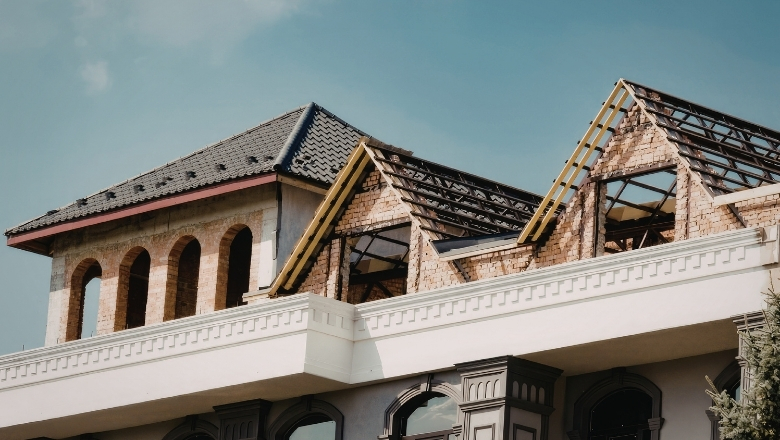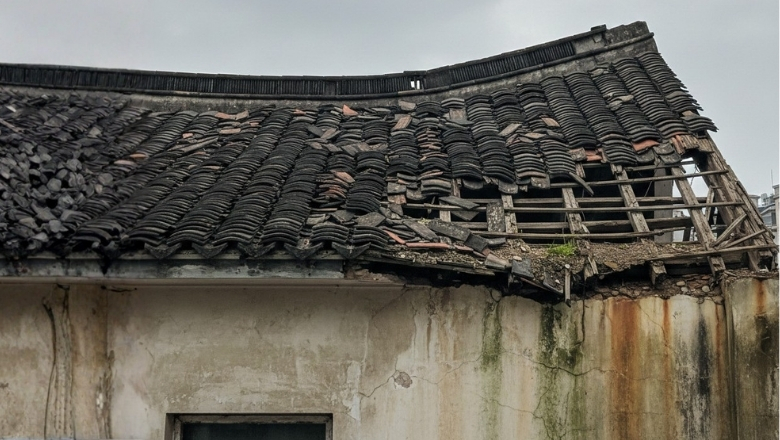
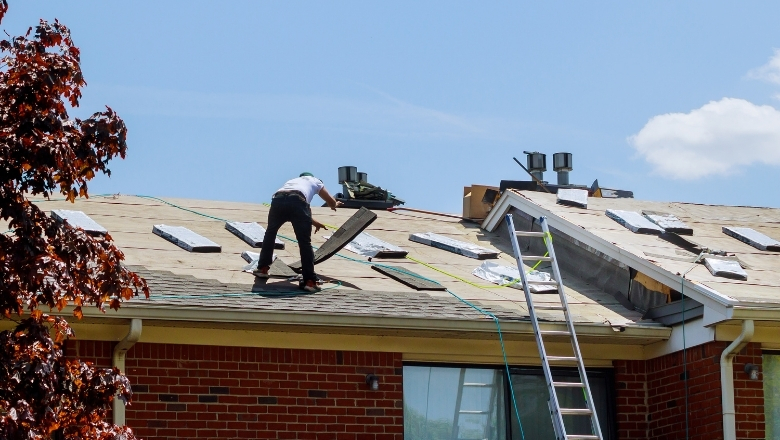
If you live in Gig Harbor, Tacoma, University Place, Fox Island, or Port Orchard, you know the Pacific Northwest doesn’t go easy on roofs. Rain sets in around October and rarely lets up through spring. Wind comes off Puget Sound. Moss establishes itself on shingles quietly, long before a homeowner notices. By the time a water stain shows up on your ceiling, the damage beneath it has typically been accumulating for months.
That’s why roof replacement planning needs to start before an emergency develops. This guide covers how long different roofing materials realistically last in this climate, which warning signs to watch for, and how to make a well-timed decision before your roof forces one.
How Long Does a Roof Typically Last?
The average roof lifespan depends on the material and conditions. In Western Washington, the climate shortens that window more than most manufacturers’ estimates take into account.
1. Asphalt Shingle Roof Lifespan
Standard asphalt shingles last around 20 years under normal conditions. Architectural shingles can last 25 to 30 years with consistent roof maintenance. In this region, persistent rainfall and moss growth accelerate wear, and roofs in Tacoma or University Place often show signs of aging several years ahead of the printed estimate.
2. Metal Roof Lifespan
The metal roof lifespan typically ranges from 40 to 70 years, depending on panel type and coating. Steel and aluminum shed water cleanly, resist coastal moisture, and hold up against sustained wind off the Sound. When you compare roof lifespans by material, metal stands out by a wide margin as one of the strongest long-term investments a Western Washington homeowner can make.
Roofing Materials Compared
| Material | Average Lifespan | Pacific Northwest Consideration |
| Asphalt Shingle | 20 to 30 years | Prone to moss and algae buildup |
| Metal Roofing | 40 to 70 years | Excellent moisture and wind resistance |
| Tile Roofing | 50 or more years | Requires solid structural support |
| Flat or Low-Slope (TPO, PVC) | 20 to 30 years | Drainage quality is critical |
| Torchdown | 15 to 25 years | Common on residential low-slope roofs |
How Climate Impacts Roof Longevity
Freeze-thaw cycles crack sealants and shift flashing over time. Coastal wind works steadily on panels and shingles. The lifespan of a tile roof and a flat roof both depend on how well they were installed and how often they are inspected in a high-moisture environment. The factors affecting roof lifespan in this region are real, and they should shape your material choice, maintenance routine, and inspection schedule alike.
Early Warning Signs Your Roof Is Nearing the End
Knowing the roof life expectancy for your material gives you a starting range. But actual condition matters just as much. These are the signs your roof needs replacement rather than another repair.
Curling, Cracked, or Missing Shingles
Shingles curl when they absorb too much moisture over the years of exposure, and they crack as the material loses flexibility with age. Both are reliable roof aging indicators. Missing shingles after a windstorm are more urgent because exposed decking in a wet climate like Gig Harbor or University Place can quickly take on water.
Granule Loss and Bald Spots
Pull out your gutters after a heavy rain. Significant dark grit collecting there means your shingles are shedding their protective granule layer. On an aging roof, widespread granule loss signals that the surface has broken down and the substrate beneath is taking direct weather exposure. Once bald patches appear across multiple sections, the residential roof’s lifespan in those areas is over.
Recurring Leaks
One leak after a major storm isn’t automatically a replacement situation. But if water stains keep reappearing after repairs, or if new intrusion points keep surfacing in different parts of the house, that pattern points to something broader. Recurring leaks usually signal underlayment failure or deteriorated flashing, and neither responds permanently to spot repairs.
Sagging Rooflines
A roofline that dips or bows anywhere typically means the decking has been weakened by long-term moisture exposure. If you see this in your home in Fox Island or Port Orchard, a professional assessment should happen sooner rather than later. Waiting only expands the scope.
Age vs. Condition: What Actually Drives the Decision?
A well-maintained 25-year-old roof may still have life left in it. A neglected 15-year-old roof may already need to be replaced. Age is a reference point, not the verdict. What usually happens is that once a roof crosses the midpoint of its expected lifespan, small problems compound. Patching one section reveals deterioration nearby, and the ongoing repair bill starts climbing past what a planned replacement would have cost.
Why a Professional Roof Inspection Matters
A walk around the yard tells you very little. Flashing failures, soft decking, and early granule loss are not visible from street level. A professional gets on the roof, checks the attic if warranted, and gives you an accurate picture of what is actually happening. That is the information that turns an anxious guess into a real decision.
Custom Design Roofing has been serving Western Washington for over 47 years. Every inspection is thorough and honest. The team walks you through what they found, what it means, and your options, without steering you toward any particular outcome.
Schedule Your Free Inspection With Custom Design Roofing Today.
The Best Time of Year to Replace a Roof
Seasonal Advantages and Disadvantages
July through September is the most reliable window for roof replacement in Tacoma, Gig Harbor, and the surrounding communities. Dry conditions allow sealants to cure correctly and keep projects on schedule. Early October can still work, but the rains return quickly and unpredictably after that. Winter replacements are possible with an experienced crew but require careful management of materials and timing throughout the process.
Scheduling Considerations in the Pacific Northwest
Every homeowner in the region wants that same short dry window, which means reputable contractors fill their schedules early. Waiting until June to start the conversation usually means landing a late-summer or fall slot. Beginning roof replacement planning in late winter or early spring gives you real flexibility on timing.
Contact Custom Design Roofing Now To Get On The Schedule Before The Summer Rush.
Should You Replace Your Roof Before Selling Your Home?
How a New Roof Impacts Property Value
Buyers and their inspectors look closely at roofs. Granule loss, curling shingles, or a history of leaks will appear in the inspection report that goes directly to the buyer. In competitive markets like Gig Harbor and University Place, a roof in solid condition supports your asking price and removes one of the most predictable friction points before it surfaces.
Buyer Inspection Considerations
A deteriorating roof almost always results in a price-reduction request or a repair contingency once the inspection report is received. Addressing it before listing removes a known obstacle and puts you in a stronger position from the start.
How Early Should You Schedule a Roof Inspection?
Recommended Inspection Frequency
The right schedule depends on where your roof sits in its lifespan:
- Every two to three years for roofs under 15 years old and in good condition
- Annually, once your roof reaches 15 years or older
- After any significant storm event, regardless of what you can see from the ground
In Port Orchard and Fox Island, where coastal wind and moisture are present year-round, extending roof life depends on catching problems while they’re still manageable. Roof maintenance and durability are directly tied to the frequency of inspections.
When to Get a Second Opinion
If a contractor recommends full replacement and the finding surprises you, given the roof’s age, a second assessment is entirely reasonable. A contractor who stands behind their work will walk you through exactly what they found and why, without pressure.
Final Checklist: Is It Time for a Roof Replacement?
5 Questions to Ask Yourself Before Deciding
Before committing to a repair or full replacement, work through these:
- How old is your roof, and what material is it? If you are at or past 80 percent of the roof life expectancy for that material, replacement planning should be underway.
- When was your last professional inspection? If it has been more than two years, start there before drawing any conclusions.
- Have repairs been recurring in the same area? Repeated patching in the same spot usually means the root cause was never addressed.
- Are there interior signs of moisture? Ceiling stains, soft spots on upper floors, or a musty attic all point to active water intrusion somewhere in the system.
- Are you planning to sell or refinance soon? A roof in poor condition will show up in both processes and affect both outcomes.
Call Custom Design Roofing Today!
For homeowners in Tacoma, Gig Harbor, University Place, Fox Island, and Port Orchard, knowing when to replace your roof comes down to paying attention before a crisis develops. The Pacific Northwest maintains steady pressure on all roofing materials year-round. The homeowners who come out ahead are the ones who watch for early warning signs, stay on top of inspections, and make a planned decision rather than a reactive one.
Custom Design Roofing has over 47 years of experience in Western Washington. The team knows what this climate does to roofs and gives every homeowner a straight, honest assessment of where things stand.
Get your free inspection scheduled today. No pressure. Just an honest look at your roof from a team that has been doing this work in your community for decades.