Here’s something most people don’t realize until it’s way too late: your roof is aging right now, and it won’t give you a heads-up before it fails. That 20-year-old roof sitting above your head? It’s not going to politely announce when it’s done. It’ll just pick the worst possible moment to give out, leaving you scrambling for emergency repairs you can’t afford. Knowing how long does a roof lasts isn’t about being paranoid; it’s about staying in control. At Custom Design Roofing, we help homeowners avoid panic by planning ahead instead of reacting to disasters.
In this guide, we’re breaking down roof lifespan by material, how Washington’s weather messes with durability, and what warning signs mean it’s time to act.
Why Roof Lifespan Depends on More Than Just Age
Everyone wants a straight answer when they ask how long a roof lasts. The thing is, roof life expectancy doesn’t work like an expiration date on milk. It’s more complicated than that.
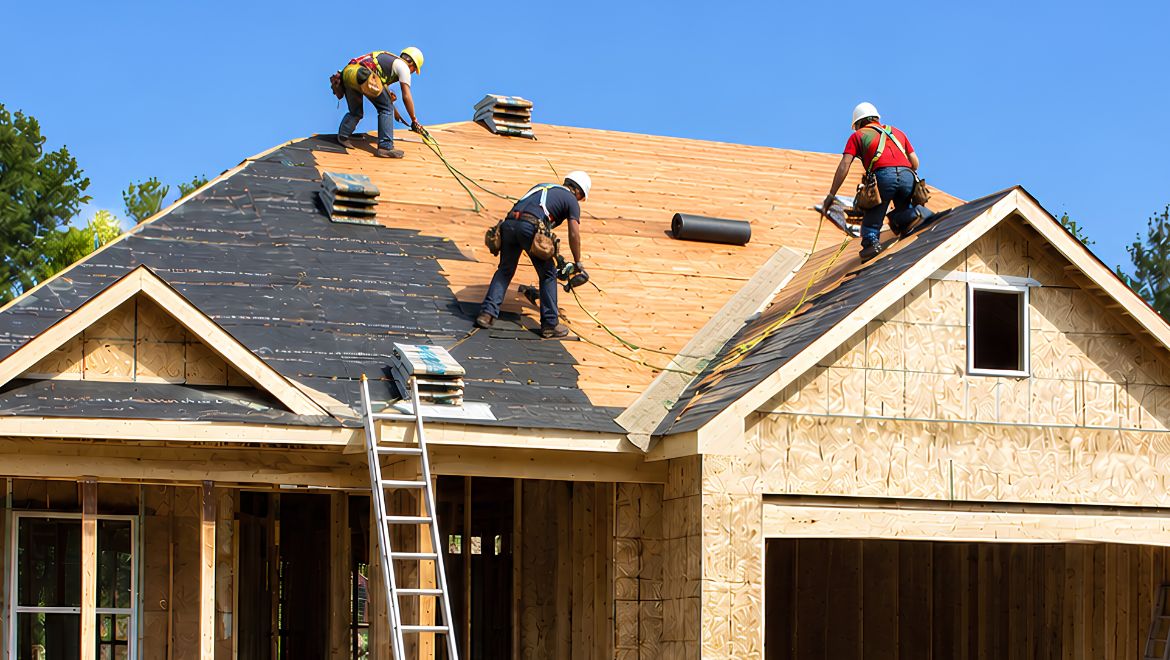
Installation quality sets the whole thing in motion. We’ve torn off roofs that gave up at 15 years because somebody took shortcuts; bad ventilation, sloppy flashing, wrong nails. These mistakes shave years off before you even notice anything’s wrong.
Then there’s how you treat it. A roof that gets checked every year and stays clean? It’ll outlast the same roof that nobody pays attention to. Factors affecting roof lifespan also include where you live and how your house sits on the lot. North-facing slopes that never see the sun? They stay wet longer and turn into moss farms way faster.
REALITY CHECK: Roofs don’t age gracefully. One bad winter can take your life from “probably fine” to “completely toast.”
How Long Different Roofing Materials Typically Last
Different materials have wildly different shelf lives, and understanding roofing material lifespan helps you figure out what’s coming.
1. Asphalt Shingles
So, how long do asphalt shingles last? You’re looking at 20 to 25 years if they’re put on right. Basic three-tab shingles land closer to 20, while the thicker architectural ones can push past 25. They’re popular because they work; affordable, reliable, easy to patch when something goes wrong. We always go with CertainTeed and Owens Corning because they deliver solid residential roof lifespan numbers when installed properly.
2. Metal Roofing
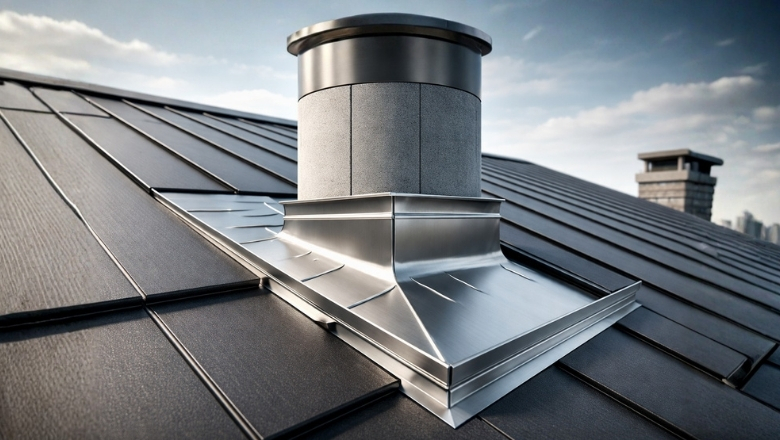
Metal roof lifespan blows asphalt away. Steel roofs run 40 to 50 years, and if you go with copper, you’re talking 70+ years. Metal loves Washington weather; snow slides right off, moss can’t get a grip, and wind barely phases it. Costs more upfront, yeah, but you’re basically buying a roof that outlasts you.
3. Tile Roofing
Tile roof lifespan competes with metal easily. Concrete tiles last 40 to 50 years, and clay tiles can last 100 years if you maintain them. They’re seriously heavy, though, so your house needs the bones to handle the weight. But when it comes to lasting? Nothing beats tile.
4. Flat Roofing
Flat roof lifespan comes in shorter, somewhere between 15 and 30 years, depending on what membrane you use. Modern materials like TPO or EPDM hit the higher end of that range. These roofs live or die by drainage, which is why we obsess over slope and runoff when we install them.
| Material | How Long Does It Last? | What It’s Good For |
| Asphalt Shingles | 20-25 years | Keeping costs reasonable |
| Metal (Steel) | 40-50 years | Long-term thinking |
| Metal (Copper) | 70+ years | Going all-in on quality |
| Tile (Concrete/Clay) | 40-100 years | Maximum durability |
| Flat Roof | 15-30 years | Low-slope situations |
How Washington’s Climate Affects Roof Longevity
Living around Gig Harbor, Tacoma, Fox Island, University Place, or Port Orchard means your roof deals with stuff that roofs in Arizona never think about. Climate impact on roof longevity hits different out here.
- Moisture runs the show. We stay damp for months at a time, which moss and algae absolutely love. And moss isn’t just ugly; it pries up shingles, holds water against your roof, and rots everything underneath. We’ve watched moss knock five to ten years off an average roof lifespan.
- Temperature changes make things expand and contract constantly. Our freeze-thaw cycles during winter crack shingles and break seals. Every cycle chips away at your roof a little more.
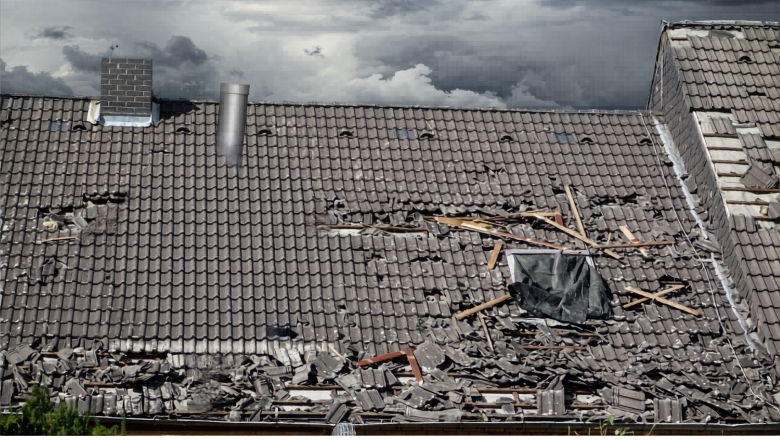
- Wind, especially if you’re near the coast, yanks shingles loose and forces rain into places it shouldn’t go. After big storms hit, we get calls about damage that’s actually been building for months.
The weather damage to roofing materials around here doesn’t happen all at once. It’s constant, steady, relentless. That’s exactly why maintenance isn’t optional if you live here; it’s the only thing keeping your roof from aging fast.
LOCAL TRUTH: There’s no such thing as a “set it and forget it” roof in western Washington. The weather demands attention.
Is Your Roof Nearing the End? Here’s How to Tell
Catching problems before they explode gives you breathing room to plan instead of freaking out. Here are the signs your roof needs replacement we hunt for:
- Missing or damaged shingles mean your defense system has holes. Finding shingles scattered across your lawn after storms? Not good.
- Granule loss shows up as dark spots where the protective coating’s worn off. Check your gutters; if they’re loaded with granules, your roof’s falling apart faster than you think.
- Water stains on your ceiling or up in the attic mean water’s getting in somewhere. Even tiny stains are bad news.
- Sagging spots in your roofline point to structural problems, usually from water soaking into the wood underneath.
- Moss everywhere isn’t just a cosmetic thing; it’s actively eating your roof alive.
- Age alone counts for something. If your asphalt roof’s closing in on 20 years, get it checked even if it looks okay from the ground.
These roof aging indicators don’t fix themselves. They get worse. What looks manageable right now becomes a crisis six months later.
How to Extend the Life of Your Roof
Extending roof life doesn’t require anything extraordinary; just staying on top of basic maintenance:
- Get it inspected every year. We look at flashing, check how shingles are holding up, inspect seals around anything poking through, and gauge overall condition. Catching little problems before they blow up is hands-down the best way to boost roof maintenance and durability.
- Keep it clean. Pull debris off regularly—leaves, branches, pine needles all trap moisture and grow moss. When it comes to actually killing moss, bring in professionals. Pressure washing it yourself usually damages more than it fixes.
- Make sure your attic breathes right. Bad ventilation traps heat and moisture that ages your roof from the inside. We’ve replaced roofs where lousy airflow cut the expected lifespan in half.
- Fix things immediately. A couple of missing shingles look minor until water finds its way in and spreads. Fixing things early beats waiting until you need a whole new roof.
- Trim branches hanging over your house so they’re not dumping debris and scraping against your roof. Trees rubbing on shingles wear down the protective coating over time.
- Clean your gutters out so water goes where it’s supposed to. Clogged gutters back up under your roof, which leads to rot and leaks.
Repair vs Replacement Based on Roof Age
Figuring out whether to repair or replace comes down to how old it is, how bad the damage is, and what makes financial sense:
- Under 10 years: Most of the time, you should fix it unless something really bad happens. Your roof is still new enough that it makes sense to fix problems.
- 10 to 15 years: This is where things get tricky. We check out how bad the damage is and how much it will cost to fix it or start over. If it costs almost 30% of a new roof to fix it and it’s showing signs of wear, it’s usually better to replace it.
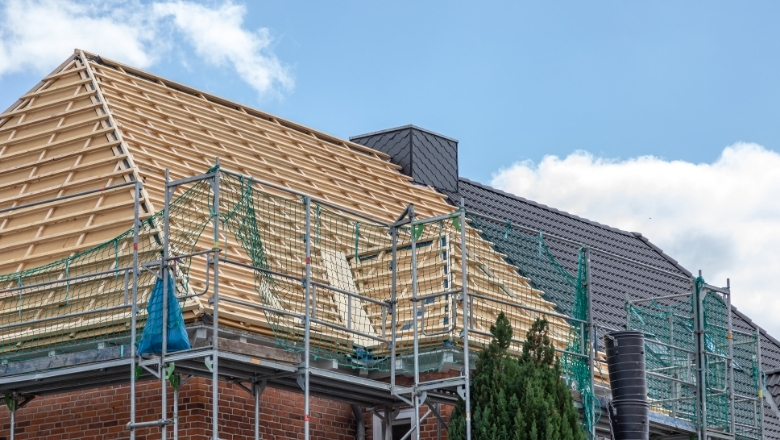
- 15 to 20 years: Even if the damage doesn’t seem too bad, replacement starts to look really good. You’re getting close to the roof replacement timeline, and spending money on repairs often just means having to deal with problems every few months.
- Over 20 years (for asphalt): Replacement makes much more sense. Old roofs develop problems in multiple spots; fix one thing, and something else breaks next month.
Getting Your Timing Right
Figuring out how long a roof lasts gives you control over one of your house’s biggest systems. Roof lifespan by material ranges anywhere from 20 years for standard asphalt to over 70 years for high-end metal, but actual numbers depend on who installed it, how you maintain it, and what the weather throws at it. The average roof lifespan around Western Washington takes a beating from all the moisture, which is why regular checkups aren’t optional out here.
We’ve worked with homeowners all over Gig Harbor, Tacoma, Fox Island, University Place, and Port Orchard, and we don’t sugarcoat things. Our team knows exactly how factors affecting roof lifespan play out in this specific region. We give you straight assessments based on what you actually need, backed up by our 10-year labor warranty.
Want to know where your roof actually stands? Call us at (253) 858-0909, and we’ll schedule an inspection. We’ll tell you the real story about its condition, what timeline you’re looking at, and what your options are. Your roof’s one of the biggest things protecting your home; let Custom Design Roofing help you keep it that way.