Introduction
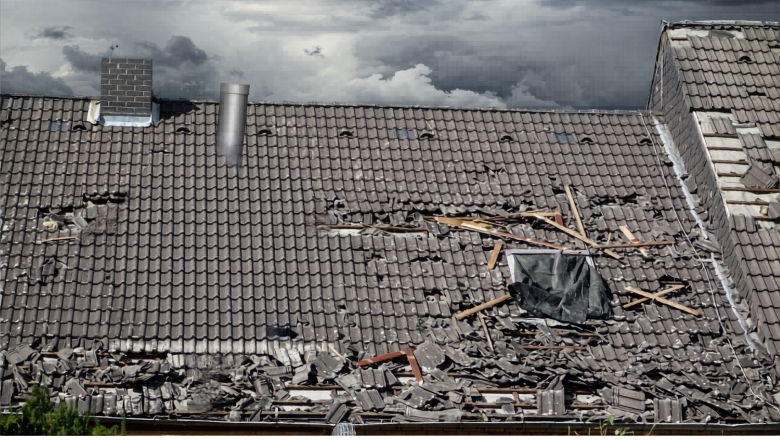
Most roof leaks don’t start where you think they do. Homeowners spend thousands chasing ceiling stains, replacing shingles, and resealing surfaces, only to find the water keeps coming back. The real culprit is almost always a thin strip of metal that most people have never paid close attention to. When roof flashing fails, water travels silently through your roof structure for months, rotting wood, soaking insulation, and breeding mold before a single visible sign appears. Ignoring it doesn’t just risk a leak; it accelerates roof wear and tear, shortens your roof life expectancy, and turns a manageable repair into a full structural intervention.
At Custom Design Roofing, we’ve seen what delayed flashing repair costs homeowners, and it’s always far more than it needed to be.
This blog covers what roof flashing actually does, why it fails, how it connects to your roof lifespan factors, and how to protect your home before a small gap becomes a disaster you didn’t see coming.
What Is Roof Flashing?
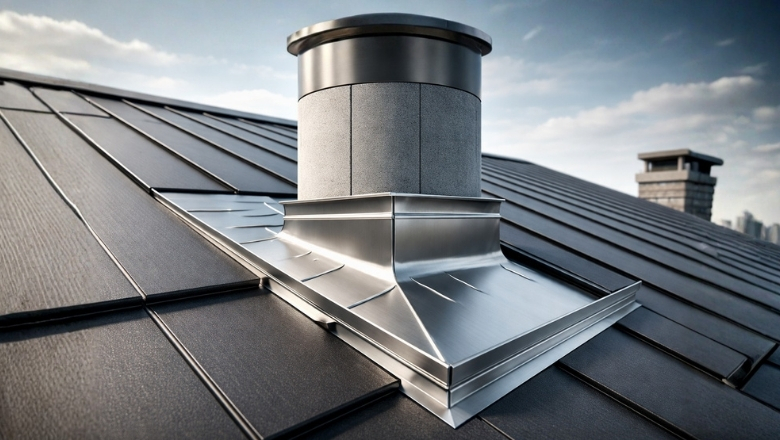
Roof flashing is a thin metal, usually aluminum, galvanized steel, or copper, that goes around the edges of your roof where it meets something else, like a wall, chimney, pipe, or valley. Its job is to cover up places where shingles alone can’t keep water out.
Shingles shed water on flat surfaces. Water doesn’t flow at angles, edges, and penetrations; it seeps. Flashing is the only thing that stands between those weak seams and the inside of your home. Without it, a roof that is perfectly installed becomes a problem as soon as it rains, and it is a hidden source of damage that slowly shortens the average roof lifespan.
The Smallest Part of Your Roof Causing the Biggest Problem
A single bent piece of flashing that is smaller than your hand can let in enough water over one rainy season to warp the whole roof deck. Most homeowners don’t even think about it until the damage is already bad.
Where Is Roof Flashing Installed?
Flashing doesn’t sit in one place; it runs along every vulnerable transition on your roof.
| Location | Why Flashing Is Critical Here |
| Chimney base | A wide gap between masonry and shingles traps water |
| Roof valleys | Two slopes channel heavy water flow into one seam |
| Skylights | Frame edges interrupt the continuous roof surface |
| Plumbing vents | Pipe penetrations create direct entry points for moisture |
| Dormers & wall joints | Vertical surfaces meeting the slope face wind-driven rain |
| Eaves & rakes | Edges are the first point of contact during storms |
Every place in this table is a place where water is trying to get in. Properly installed and maintained flashing is what stops it, and what protects the residential roof lifespan you’ve invested in.
Why Roof Flashing Is the Most Common Leak Point
Shingles lie flat and shed water predictably. Flashing lives at angles, bends around edges, and endures constant movement. When the temperature changes, metal expands and contracts. The sealant gets a little farther away from the surface every season. Over the years, those micro-movements create gaps that water exploits without delay.
The most common causes of flashing failure:
- Thermal expansion cracking sealant at joints, accelerating roof weather damage
- Rust and corrosion weaken the metal, particularly in coastal areas
- Improper original installation; wrong overlap, inadequate fastening
- Storm winds lifting or bending exposed sections
- Age, since flashing often has a shorter functional life than the lifespan of the roof
This is why a roof can look fine from the ground but still be leaking. The shingles are not usually the problem.
Why Some Roofs Leak Even When Everything Looks Perfect
This is what frustrates homeowners most. A roof shows no missing shingles, no visible damage, yet water appears after every rainstorm. The answer almost always traces back to flashing.
Step flashing pulling away from a dormer wall, counter flashing separating from chimney mortar, and a pipe boot collar cracked at its base are all examples that remain completely invisible without physically getting on the roof and knowing precisely where to look. This is why self-diagnosing a roof leak by examining your ceiling almost never works, and why you need to have a professional check it out if the leaks keep happening.
Understanding these roof aging indicators early is what separates homeowners who catch problems cheaply from those who face full structural repairs.
Signs Your Roof Flashing Is Failing
Finding out about flashing failure early can mean the difference between a targeted repair and a full interior restoration. The warning signs are clear and important to know.
Watch for:
- Water stains on ceilings near a chimney, skylight, or exterior wall
- Rust streaks running down exterior siding
- Lifted, bent, or visibly separated metal along roof transitions
- Cracked or missing caulk around roof penetrations
- Unexplained musty odor or visible moisture in the attic
- Peeling interior paint with no plumbing explanation
These are not minor cosmetic issues; they are roof replacement signs that your flashing has already allowed water to penetrate your roof system. If you live in Gig Harbor, Tacoma, Fox Island, University Place, or Port Orchard and have any of these problems, fix them before the next rain makes them worse.
Types of Roof Flashing
Any honest roofing material comparison has to account for flashing, not just shingles. Different areas of the roof require different flashing configurations, and using the wrong type is among the most common errors in residential roofing.
| Flashing Type | Primary Use |
| Step flashing | Layered along walls and dormers alongside shingles |
| Counter flashing | Embedded into masonry, overlapping step flashing |
| Valley flashing | Runs the full length of a roof valley |
| Drip edge | Protects eaves and rakes from wind-driven moisture |
| Pipe boot/vent flashing | Seals around plumbing and vent penetrations |
| Kickout flashing | Diverts water at wall-to-roof intersections |
A roof with the wrong flashing configuration, even in a single location, will eventually leak, regardless of whether you have a metal roof lifespan, a tile roof lifespan, or a flat roof lifespan working in your favor.
Can Roof Flashing Be Repaired or Replaced?
It depends on how bad the damage is. Fixing a vent by resealing cracked caulk is a repair. Flashing that is corroded and has lost its structural integrity in several places needs to be replaced completely.
One practical rule tied to roof replacement timing: if your roof is approaching the end of its service life and you’re already into roof replacement planning, replace the flashing simultaneously. Separating the two jobs across different roof replacement timeline stages costs more and introduces new risks at every transition point. Your roof longevity climate conditions, particularly the wet, wind-heavy seasons experienced across Gig Harbor, Fox Island, and Tacoma, make this decision even more critical.
Our team at Custom Design Roofing assesses flashing condition on every inspection, because addressing shingles while leaving compromised flashing in place is not a repair. It’s a delay with a predictable and costly outcome.
How a Thin Strip of Metal Becomes a Major Repair
Flashing costs a fraction of what shingles cost. But when it fails without being noticed, the damage goes beyond the roof and into the decking, insulation, framing, and walls inside. The part itself is small. Not paying attention to it has consequences.
How to Prevent Flashing Leaks
Consistent maintenance is the single most effective way to extend roof lifespan and avoid emergency repairs.
- Schedule a professional roof inspection annually, particularly before and after the wet season
- Keep gutters clear so water doesn’t back up under eave flashing
- Reseal exposed caulk every few years before it cracks completely
- After any significant storm, have flashing transition points checked promptly
- Treat attic moisture as an early warning sign, not a minor inconvenience
Roof maintenance durability is not a one-time investment; it’s a habit. The roof durability factors that matter most are consistency and timing. Homeowners who keep up with inspections almost always avoid the worst things that can happen. People who put them off over and over again tend to get hurt in ways that can’t be fixed easily.
When Should You Call a Roofing Professional?
Flashing is not a DIY project. The margin for error is narrow, and an incorrect installation creates leak paths that are harder to trace than the original problem. Knowing when to replace roof components, including flashing, requires professional evaluation, not guesswork.
Call a professional if leaks recur in the same area, if your roof is over 15 years old and hasn’t had a dedicated flashing evaluation, or if you’re planning any roofing work and need an accurate picture of what’s actually happening. Homeowners across Gig Harbor, Tacoma, Fox Island, University Place, and Port Orchard can contact our team for a thorough inspection before water dictates the timeline.
Don’t Let a Small Strip of Metal Become a Costly Oversight
Roof flashing is where the majority of leaks begin, not at the shingles, not at the underlayment, but at the metal transitions bridging every vulnerable seam on your roof. Recognizing the roof replacement signs, understanding the roof aging indicators, and acting within the right roof replacement timeline puts you in control before the problem escalates.
Roof leaks caused by flashing failure don’t announce themselves; they develop quietly, and by the time they’re visible, the damage has already spread well beyond the roof surface.
Custom Design Roofing has spent over 47 years working on roofs across Gig Harbor, Tacoma, Fox Island, University Place, and Port Orchard, and in that time, we’ve learned that flashing problems rarely look like flashing problems until it’s too late. Our team is fully licensed, insured, and bonded, and we bring that same diagnostic precision to every inspection we conduct, because a missed flashing failure today is a structural repair tomorrow.
If your roof hasn’t been inspected recently or you’ve noticed any of the warning signs covered in this blog, don’t wait for the next storm to force your hand. Call Custom Design Roofing today at (253) 858-0909 for a free estimate, and get ahead of the problem before it gets ahead of you.