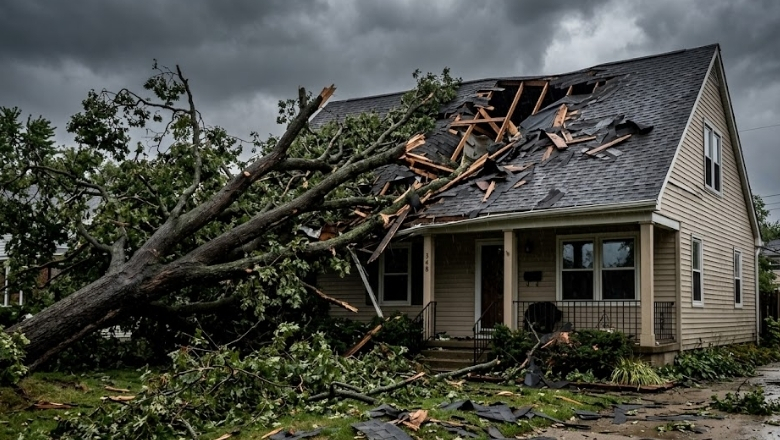
If you live in Gig Harbor, Tacoma, Fox Island, University Place, or Port Orchard, your roof faces salt air off Puget Sound, months of steady rain, and freeze-thaw cycles that most other states do not experience. When damage happens, the roof itself is only half the problem. What you do next is the other half. These are the five most common roof damage mistakes we see across our service area, and what to do instead.
Why Acting Fast Matters More Than You Think
1. Small Issues Spread Quickly in the Pacific Northwest
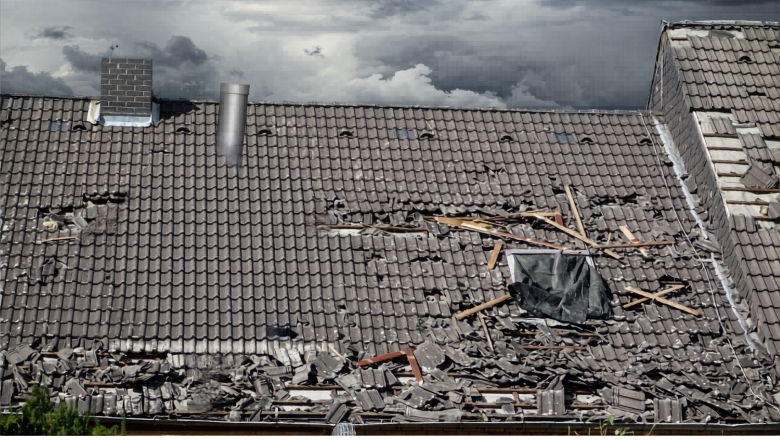
A missing shingle or a cracked flashing seal does not feel urgent. But water finds every opening and moves fast once it gets inside. It travels along the roof decking, soaks into the insulation, and works its way into the rafters before you see any evidence on your ceiling. The wet winters in Tacoma and University Place make this worse because exposure is relentless from October through April, and the climate impact on roof longevity here is real.
2. What Delay Actually Costs You
Wet insulation loses its effectiveness. Damp wood decking begins to rot. Mold can take hold in attic conditions faster than most homeowners expect. A straightforward repair grows in scope, labor, and material cost simply because it sat too long. Roof maintenance after a storm is not something to schedule when it is convenient.
Mistake #1: Waiting Too Long to Schedule a Roof Inspection
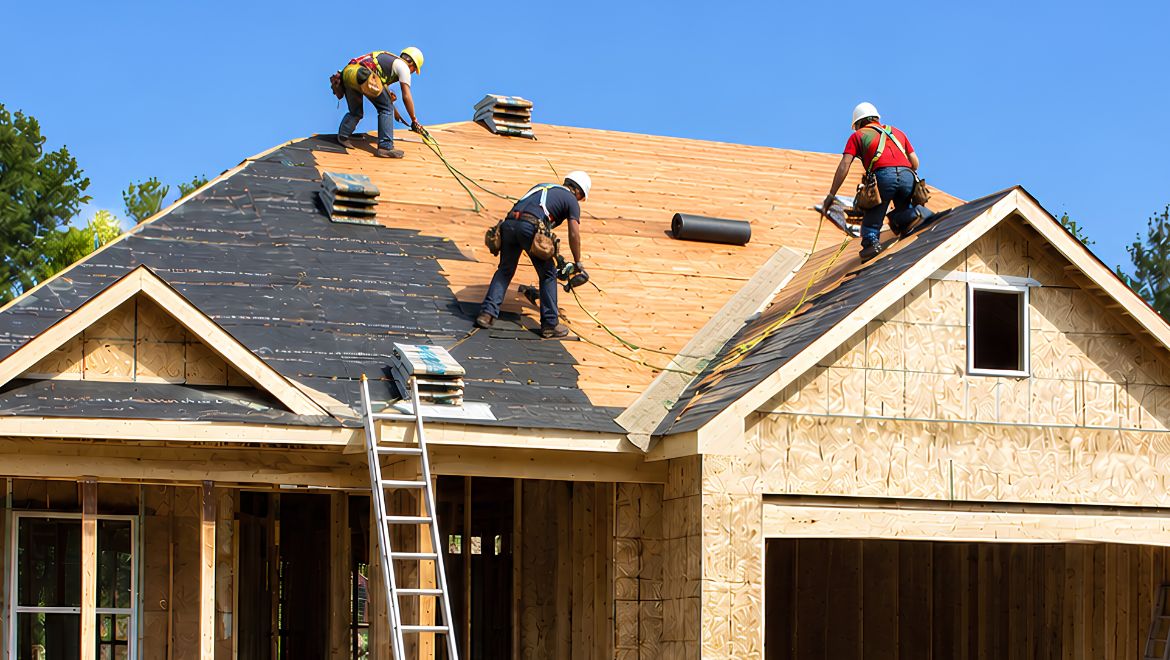
After a storm in Gig Harbor or Port Orchard, getting a licensed contractor on your roof within a few days is not being overly cautious. It is the right roof repair timeline. The roof inspection after damage exists to find what you cannot see from the ground, and the sooner that happens, the more contained the repair stays.
Contact Custom Design Roofing To Schedule Your Free Inspection.
Mistake #2: Overlooking Interior Warning Signs
Your home will show signs of roof trouble before damage becomes visible from outside. The most common mistake homeowners make is treating these signals as minor cosmetic problems.
Watch for these signs inside your home:
- Brown or yellow ring stains on ceilings, which mean water has already dried and left deposits behind
- Paint bubbling or peeling near the ceiling line, which points to moisture trapped behind the surface
- Drywall that feels soft or spongy, meaning it has absorbed water
- Any water appearing near an electrical panel or light fixture needs immediate professional attention
These are roof aging indicators, not finishing problems. The attic is where early damage usually shows up first. Wet or matted insulation, dark staining on rafters, and soft spots in the decking boards all signal water intrusion that most homeowners never catch because they never look for it.
Mistake #3: Attempting DIY Repairs
Getting on a damaged roof yourself is one of the most dangerous mistakes a house owner can make during roof repair. Washington weather keeps shingles wet and slippery for most of the year, and a roof that has already taken structural damage can have soft spots that are impossible to identify until you are standing on one.
Why Temporary Patches Create Bigger Problems
Tarps and roofing tape are short-term protection, not repairs. Left in place too long, they trap moisture underneath and accelerate rot in the decking below. When a contractor arrives to do the real fix, they work around a DIY patch that may already have worsened the damage. There is also a warranty concern: most roofing material manufacturers require licensed installation to keep product coverage valid. Attempting repairs yourself can void that protection, directly shortening the lifespan of the roofing material you paid for.
Mistake #4: Not Documenting Damage Before Repairs Begin
Before anything on your property is moved or covered, photograph everything. Take photos of the roof from multiple ground angles, capture any interior damage, and document the surrounding area to show what caused it. Timestamped photos are what connect your claim to a specific weather event in the insurer’s eyes.
How Insurers Evaluate Roof Damage
Insurance adjusters look at whether the damage is consistent with sudden storm impact or years of neglected roof maintenance. They consider the average roof lifespan for your material type and compare the visible condition against what is expected at that age.
| Roofing Material | General Life Expectancy |
| Asphalt / Composite Shingles | 20 to 30 years |
| Metal Roofing | 40 to 70 years |
| Tile | 50+ years |
| TPO / PVC Flat Roof | 15 to 25 years |
| Torchdown | 15 to 20 years |
Filing too late, leaving damage out of the initial report, and signing claim rights over to an unfamiliar contractor are the most common errors that result in reduced or denied payouts.
Mistake #5: Choosing a Contractor Based on Price Alone
After a significant storm in the Tacoma or Fox Island area, out-of-town contractors often show up door-to-door within days. They offer fast work at prices that are hard to turn down, require large upfront payments, and frequently cannot provide a Washington State contractor license number. This is storm chasing, and it is one of the most costly and damaging roof repair mistakes a homeowner can make in this area.
Questions to Ask Any Contractor Before Hiring
- Are you licensed and insured in Washington State, and can you provide your contractor license number?
- Do you have references from homeowners in Gig Harbor, Tacoma, or the surrounding area?
- What manufacturer certifications does your company hold?
- Will you provide a written labor warranty upon completion of the work?
A contractor who cannot answer these clearly is not someone you should trust with your roof. Quality installation from a licensed local crew is what keeps your roof’s life expectancy intact.
What to Do Immediately After Roof Damage
Stay off the roof, regardless of how minor the damage looks. Before anything is moved or covered, document everything with photos. Then focus on containment: place buckets under active drips, lay plastic sheeting over floors and furniture, and if a ceiling section is bulging from trapped water, a small hole at the lowest point drains it before it collapses.
For active leaks, structural damage, or large areas of missing material, do not wait. Custom Design Roofing offers emergency roof repairs across Gig Harbor, Fox Island, Tacoma, University Place, and Port Orchard.
Call Custom Design Roofing For Emergency Roofing Services.
Repair or Replace: Getting an Honest Answer
Not every post-storm call ends in a full replacement. If damage is limited and the roof is still within a reasonable roof life expectancy for its material type, a targeted repair handles it. But if the roof shows widespread signs of needing replacement, has required repeated repairs, or damage has reached the structural decking, replacement is often the smarter long-term choice. The factors affecting roof lifespan include installation quality, material type, maintenance history, and the speed at which past damage was addressed. A proper inspection tells you where you actually stand.
One Call Keeps a Small Repair From Becoming a Big One
Roof maintenance after a storm does not require a complicated plan. Get it inspected fast, document everything before repairs begin, and work with a licensed local contractor who stands behind their work. Those steps prevent most roof-damage mistakes that turn small repairs into large replacements.
Custom Design Roofing has been serving Gig Harbor, Tacoma, Fox Island, University Place, and Port Orchard for over 47 years. The team is licensed, insured, and honest about what your roof actually needs.
Schedule Your Free Inspection With Custom Design Roofing Today.